
Introduction
Groundwater is one of the world's most important sources of fresh water. It supplies drinking water to households, industries, agriculture, and ecosystems. Because groundwater often moves slowly through soil and rock formations, contamination can persist for many years and may be difficult or impossible to remove once it reaches an aquifer. Effective groundwater protection is therefore essential for ensuring safe and sustainable water supplies.
What Is Groundwater Protection?
Groundwater protection refers to the policies, planning measures, and practical actions used to prevent pollutants from reaching underground water resources. The goal is to maintain good water quality while ensuring long-term availability of groundwater for current and future generations.
Groundwater protection includes:
- Preventing contamination at the source
- Managing land use around water resources
- Establishing protection zones around wells and aquifers
- Monitoring groundwater quality
- Responding to pollution risks and incidents
Why Groundwater Protection Is Important
Groundwater serves several critical functions:
Drinking Water Supply
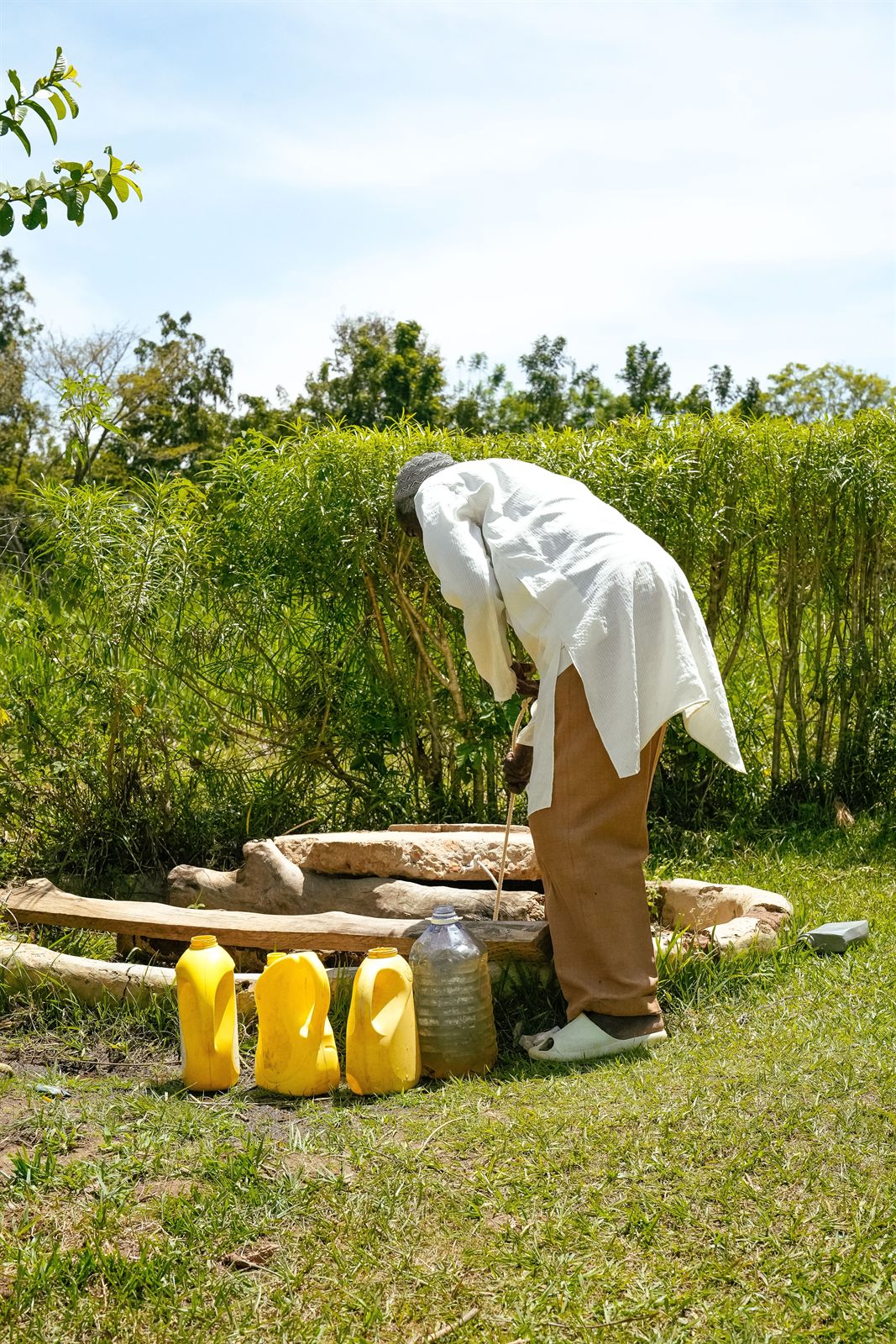
Many communities rely entirely or partially on groundwater for drinking water. Natural filtration through soil often provides high-quality water, but contamination can rapidly reduce its suitability for consumption.
Environmental Protection
Groundwater supports rivers, lakes, wetlands, and ecosystems, especially during dry periods.
Economic Value
Industries, agriculture, and municipalities depend on reliable groundwater resources. Pollution can lead to costly treatment requirements or the loss of water sources.
Climate Resilience
Groundwater provides a valuable reserve during droughts and periods of increased water demand.
Common Sources of Groundwater Contamination
Groundwater can be affected by both human activities and natural conditions.
Agricultural Sources
- Fertilizers
- Pesticides
- Animal waste
- Nutrient runoff
Industrial Sources
- Chemical storage and handling
- Industrial wastewater
- Fuel spills
- Manufacturing processes
Urban Sources
- Stormwater infiltration
- Road salt
- Leaking sewer systems
- Construction activities
Domestic Sources
- Failing septic systems
- Improper chemical disposal
- Underground fuel tanks
Natural Sources
- Arsenic
- Iron and manganese
- Salinity
- Naturally occurring organic compounds
Protection Zones
What Are Groundwater Protection Zones?
Protection zones are designated areas around groundwater resources and wells where activities are regulated to reduce contamination risks.
The size and requirements of a protection zone depend on:
- Aquifer characteristics
- Groundwater flow rates
- Well capacity
- Geological conditions
- Local risk factors
Protection zones create a layered defense system that minimizes the chance of pollutants reaching water supplies.
Typical Protection Zone Structure
Primary Protection Zone
The area closest to the water supply well.
Objectives:
- Provide the highest level of protection
- Prevent direct contamination
- Restrict potentially hazardous activities
Common restrictions:
- Chemical storage
- Fuel handling
- Waste disposal
- Construction activities
Secondary Protection Zone
A larger surrounding area that protects the groundwater recharge area.
Objectives:
- Reduce long-term contamination risks
- Control land use activities
- Monitor environmental impacts
Common controls:
- Agricultural practices
- Industrial development
- Wastewater management
- Resource extraction
Tertiary or Catchment Protection Zone
The broader area contributing groundwater recharge.
Objectives:
- Maintain overall groundwater quality
- Guide regional planning
- Protect future water resources
Common measures:
- Land-use planning
- Environmental monitoring
- Sustainable development policies
Land Use and Groundwater Protection
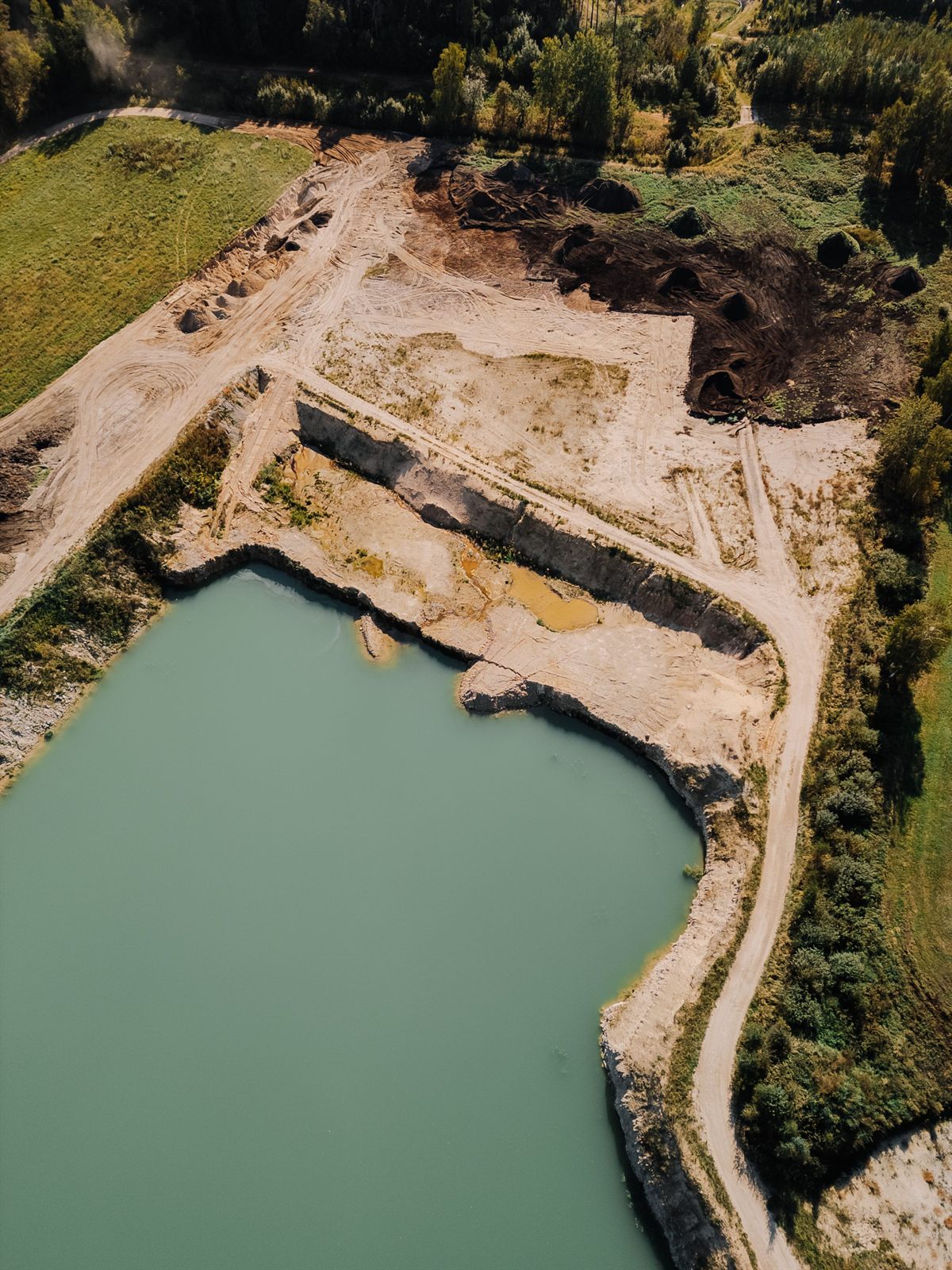
Land use has a direct impact on groundwater quality. Proper planning helps minimize contamination risks while supporting development.
Agriculture
Recommended measures:
- Optimize fertilizer application
- Reduce pesticide use where possible
- Establish buffer zones near sensitive areas
- Manage animal waste responsibly
Benefits:
- Reduced nitrate contamination
- Improved water quality
- Sustainable agricultural production
Industrial Areas
Recommended measures:
- Secondary containment systems
- Spill prevention programs
- Proper chemical storage
- Regular inspections and monitoring
Benefits:
- Reduced contamination risk
- Compliance with environmental regulations
- Improved operational safety
Urban Development
Recommended measures:
- Sustainable drainage systems
- Stormwater management
- Infrastructure maintenance
- Careful zoning decisions
Benefits:
- Reduced pollutant transport
- Better groundwater recharge
- Long-term resource protection
Wellhead Protection
What Is Wellhead Protection?
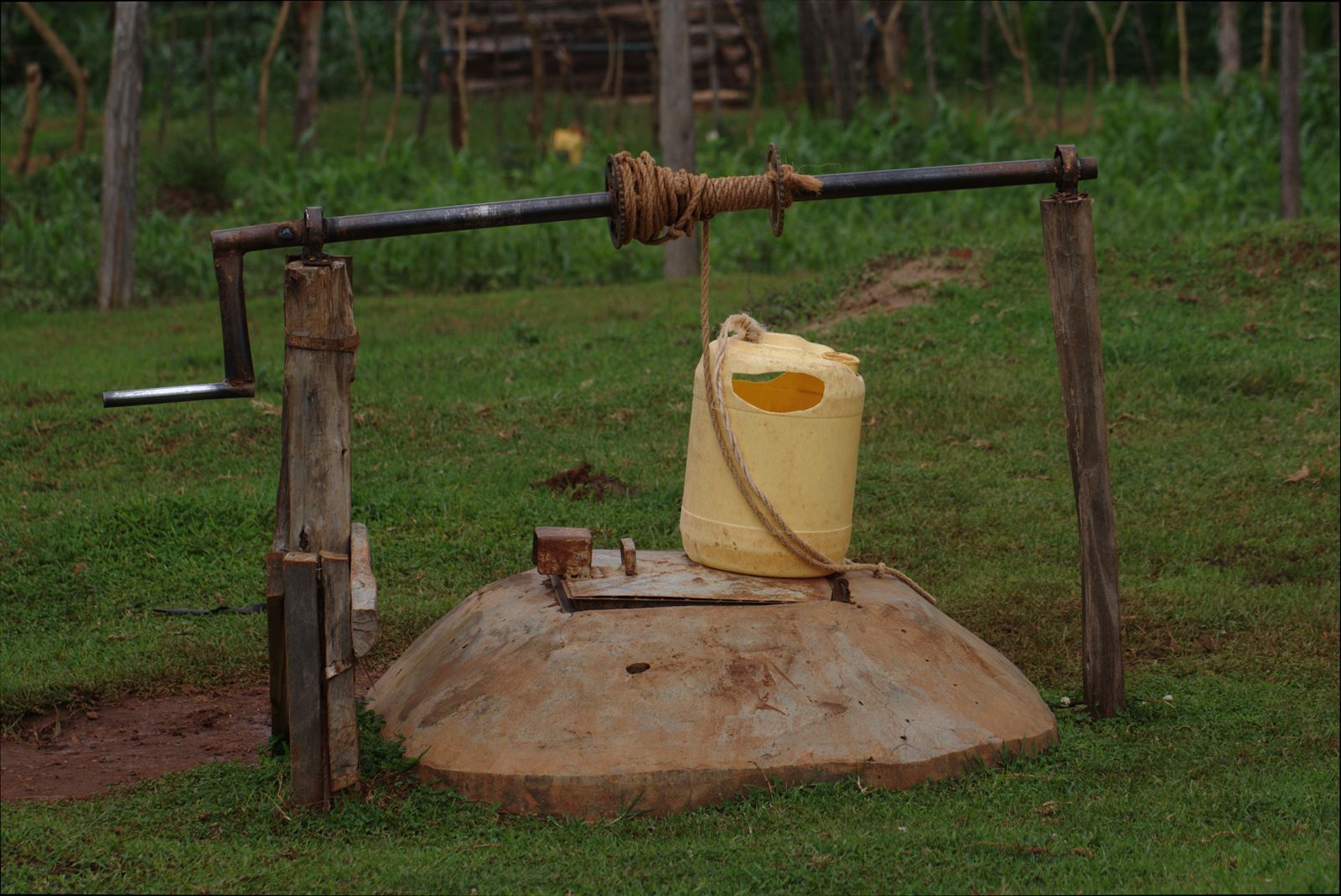
Wellhead protection focuses specifically on safeguarding public and private water supply wells from contamination.
The area surrounding a well is particularly sensitive because pollutants entering nearby ground can reach the water source relatively quickly.
Key Elements of Wellhead Protection
Risk Assessment
Identify potential contamination sources such as:
- Industrial facilities
- Fuel stations
- Agricultural activities
- Waste disposal sites
- Transportation corridors
Infrastructure Protection
Measures include:
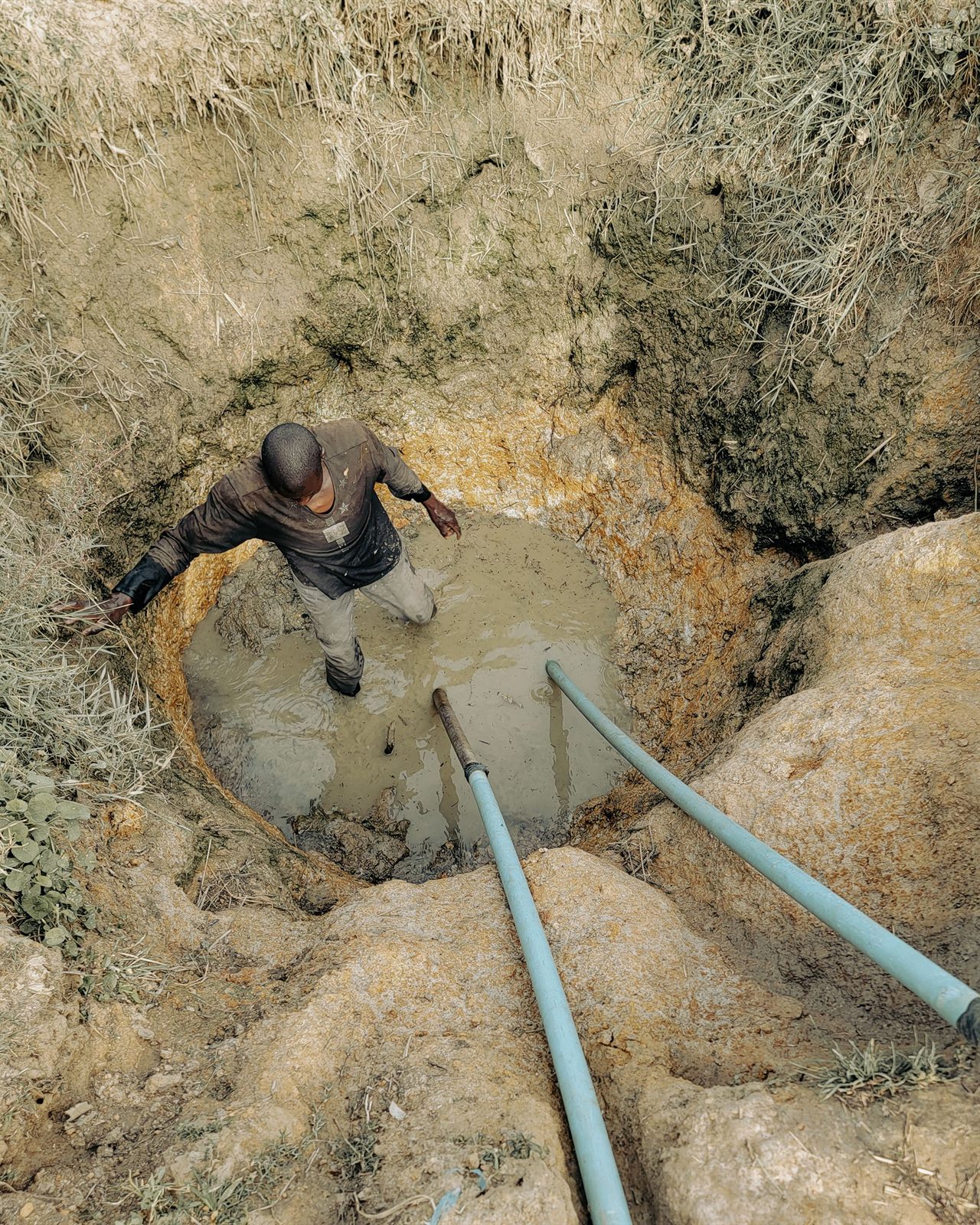
- Secure well construction
- Proper well sealing
- Surface drainage control
- Physical security barriers
Monitoring Programs
Regular monitoring can detect:
- Chemical contaminants
- Microbiological contamination
- Changes in groundwater quality
- Emerging risks
Emergency Response Planning
Preparedness measures include:
- Spill response procedures
- Communication plans
- Alternative water supplies
- Investigation protocols
Groundwater Monitoring
Effective groundwater protection depends on regular monitoring.
Monitoring programs typically measure:
- pH
- Conductivity
- Nitrate
- Ammonium
- Metals
- Organic contaminants
- Microbiological indicators
Monitoring helps detect:
- Pollution trends
- Seasonal changes
- New contamination sources
- Treatment requirements
Best Practices for Groundwater Protection
For Water Utilities
- Establish protection zones
- Monitor water quality regularly
- Maintain wells and infrastructure
- Develop emergency response plans
For Industries
- Implement spill prevention measures
- Store chemicals securely
- Conduct environmental audits
- Train employees
For Farmers
- Use nutrients efficiently
- Maintain buffer zones
- Manage manure responsibly
- Monitor soil conditions
For Homeowners
- Maintain septic systems
- Dispose of hazardous waste properly
- Reduce chemical use
- Protect private wells
Conclusion
Groundwater is a vital resource that requires long-term protection. Through protection zones, responsible land-use planning, wellhead protection programs, and continuous monitoring, communities can safeguard groundwater quality and ensure reliable water supplies for future generations. Preventing contamination is typically far more effective and economical than attempting to restore a polluted aquifer.