
Arsenic is a naturally occurring element that can be present in bedrock, soil and groundwater. In some areas it dissolves from geological formations into well water. Elevated levels are usually found by laboratory analysis, because arsenic does not normally change the colour, odour or taste of the water.
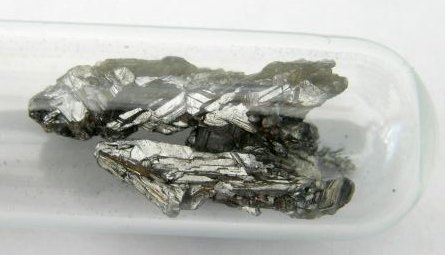
Arsenic occurs in many parts of the world and is also found in Swedish drilled wells. Because it is invisible to the user, regular sampling is the only reliable way to know whether the water contains elevated levels.
Where does arsenic in water come from?
Common sources include:
- Naturally arsenic-bearing bedrock
- Mineral occurrences in soil and overburden
- Groundwater aquifers
- Historic mining areas
- Industrial activities
- Contaminated land
In Sweden, naturally occurring arsenic in drilled bedrock wells is the most common cause of elevated levels.
Is arsenic found in municipal drinking water?
Municipal waterworks carry out regular quality control and must meet applicable drinking-water requirements. If elevated levels are found, action is taken so that the water complies. For private wells, the well owner is responsible for sampling and checking water quality.
See private well water and drinking water standards.
Health risks
Long-term exposure to elevated arsenic can pose health risks. That is why arsenic is covered by drinking-water rules and monitoring programmes in many countries. Because the risks relate to chronic exposure, water should be analysed even when it looks and tastes normal.
How is arsenic detected?
Arsenic cannot normally be detected by colour, odour, taste or visible particles. A laboratory analysis is required to determine the concentration. If the well has never been tested for arsenic, the parameter should be included in the next water sample.
Read more about water analysis.
How can arsenic be removed from water?
The choice of treatment depends on arsenic concentration, water chemistry and co-occurring substances. Common methods include:
- Adsorption media
- Iron-based filter media
- Activated alumina
- Specialized arsenic filters
- Ion exchange
- Reverse osmosis (RO)
- Combinations of oxidation and filtration
Existing iron and manganese filters can sometimes contribute to arsenic reduction, but this should always be verified by analysis. See iron and manganese removal and filtration.
Arsenic and other water issues
Arsenic often occurs together with other parameters that affect treatment, for example iron, manganese, uranium, radon, PFAS and high hardness. A complete water analysis is therefore often the best starting point for choosing treatment.
Frequently asked questions
- Can I see arsenic in the water?
- No. Arsenic is usually odourless, colourless and tasteless.
- Is arsenic common in private wells?
- It occurs in some areas and is regularly found in analyses of drilled bedrock wells.
- How do I know if my well contains arsenic?
- By laboratory analysis of water samples.
- Can arsenic be removed?
- Yes. Several established treatment methods can reduce arsenic in water.